
One of the most common questions we hear from aspiring pre-med students is: “How do I gain meaningful medical experience while I’m still in high school?”
The good news? You don’t need to wait until college to start building a compelling healthcare portfolio. Here are five legitimate medical volunteering opportunities you can pursue starting THIS month—no medical degree required.
Hospital Volunteer Programs (Candy Stripers & Junior Volunteers)
Time Commitment: 3-4 hours/week minimum (most programs)
Age Requirement: Usually 14-16+ (varies by hospital)
Most hospitals have structured volunteer programs specifically for teens. While you won’t be performing procedures (obviously!), you’ll gain invaluable exposure to the healthcare environment.
What you’ll do:
- Assist at information desks
- Deliver items to patient rooms
- Help with administrative tasks
- Support hospital staff in non-clinical capacities
- Interact with patients and families
How to get started:
- Visit your local hospital’s website and search for “volunteer” or “junior volunteer program”
- Call the Volunteer Services department directly
- Complete application (often requires physical exam and immunization records)
- Attend orientation training
- Pro tip: Larger hospitals often have more diverse volunteer opportunities. Consider both community hospitals AND major medical centers in your area.
American Red Cross Youth Programs
Time Commitment: Flexible (events range from 2-hour blood drives to ongoing commitments)
Age Requirement: 14+ for most programs
The Red Cross offers multiple pathways for young volunteers interested in healthcare and emergency services.
Opportunities include:
- Blood drive coordination and support
- Disaster preparedness training
- Health and safety education in your community
- Hospital services support
- International humanitarian law education
- What makes this special:
- National recognition and the ability to earn service hours while developing leadership skills. Plus, you can often create your own initiatives (like organizing a blood drive at your school).
Getting started: Visit redcross.org/volunteer and filter for youth opportunities in your area.
Nursing Home & Assisted Living Volunteering
Nursing Home & Assisted Living Volunteering
Time Commitment: 2-4 hours/week
Age Requirement: Usually 14+ (some facilities accept younger with parent supervision)
This is honestly one of the MOST underrated opportunities for pre-med students. Medical schools love seeing applicants who’ve worked with elderly populations.
What you’ll do:
- Spend time with residents (conversation, games, reading)
- Assist with activities and events
- Help during mealtimes
- Support recreational therapy programs
- Learn about geriatric care and chronic disease management
- Why it matters:
- You’ll develop compassion, patience, and communication skills—qualities that are essential for physicians but can’t be learned from a textbook. You’ll also witness the long-term care aspect of medicine that many students never experience.
Finding opportunities: Call local nursing homes directly or search VolunteerMatch.org for senior care opportunities.
Free Clinic or Community Health Center Volunteering
Free Clinic or Community Health Center Volunteering
Time Commitment: 4+ hours/week (typically)
Age Requirement: 16+ for most programs
Free clinics serve uninsured and underserved populations—giving you exposure to healthcare equity issues and diverse patient populations.
Typical roles:
- Front desk/patient registration
- Helping patients fill out forms
- Organizing supplies and inventory
- Assisting with health education programs
- Language interpretation (if bilingual—huge asset!)
- Why this stands out:
- Medical schools are increasingly focused on addressing healthcare disparities. Experience at a free clinic demonstrates your commitment to serving underserved communities and understanding social determinants of health.
Finding clinics: Search “free clinic” + your city/county name, or visit the National Association of Free & Charitable Clinics website.
EMS/First Responder Youth Programs
Time Commitment: Varies widely (training + shifts)
Age Requirement: Usually 16+ (some programs start at 14)
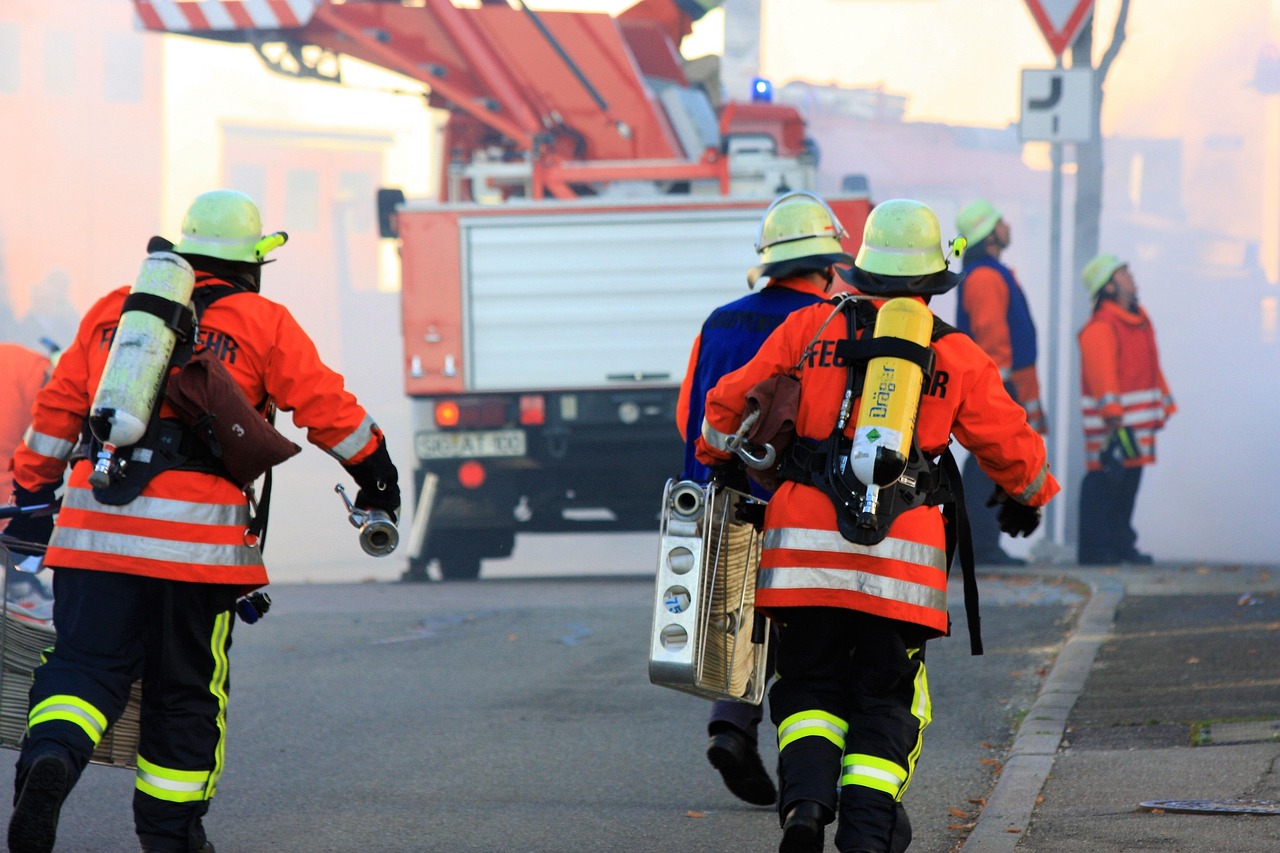
Many fire departments and EMS agencies have junior/cadet programs that provide hands-on emergency medical exposure.
What’s involved:
- First aid and CPR training
- Emergency response education
- Ride-alongs with EMTs (in some programs)
- Community emergency preparedness events
- Potential pathway to EMT certification
- The unique advantage:
- You’ll see acute medicine in action and develop quick decision-making skills. This is particularly valuable if you’re interested in emergency medicine, trauma surgery, or any fast-paced medical specialty.
Finding programs: Search “[your city] volunteer fire department youth program” or “[your county] EMS explorer program”
Bonus Tips for Maximizing Your Volunteer Experience:
📝 Keep a Reflection Journal
Document meaningful interactions, challenges, and what you’re learning. This becomes GOLD when writing college essays and personal statements.
🤝 Build Relationships
Get to know the healthcare professionals you work with. They can become mentors, provide advice, and write strong recommendation letters.
📈 Show Commitment
Consistency matters more than hours. Volunteering 3 hours/week for a year is more impressive than 30 hours in a single month.
❓ Ask Questions
Be curious! Ask volunteers coordinators, nurses, and doctors about their career paths. Most healthcare professionals love sharing their experiences with interested students.
🎯 Track Your Hours
Use a spreadsheet or app to log dates, hours, and activities. You’ll need this information for college applications.
What If None of These Are Available Near Me?
Don’t panic! Consider:
- Virtual volunteering with organizations like Crisis Text Line (mental health support)
- Starting your own initiative (health education at local library, CPR training classes)
- Tutoring students in science subjects in underserved communities
- Advocating for health-related causes or legislation
- The Bottom Line
- You don’t need to have all five of these experiences—choose 1-2 that genuinely interest you and commit deeply. Medical schools would rather see sustained, meaningful involvement in one area than superficial participation in five different programs.
The best time to start? Right now. Most programs accept applications on a rolling basis, and many have openings for the spring semester.
Question for the community: What volunteering experiences have you started, and what surprised you most about them? Drop a comment below!
Need help finding opportunities in your area or crafting your volunteer strategy? Our team offers personalized guidance to help you build a standout pre-med profile. Check us out at nexuspremed.com